Hannah Estes

Hannah Estes

I am a research assistant at the Wolfpack Innovations Software Engineering Research (WISER) Lab affiliated with the NC State under the guidance of Dr. Katie Stolee.

Got feedback, questions, or just want to chat? Please reach out!

I’m fascinated by the human and organizational factors that shape software development, especially how team communication and coordination impact the products we build. My research focuses on the interactions between software product managers (SPMs) and software engineers (SWEs), exploring where alignment succeeds and where misalignment creates friction. I also enjoy creating educational opportunities, like an undergraduate course, to help future SPMs develop both the technical and interpersonal skills they need to thrive in real software teams.

Software Engineering: team productivity, software product management
Human-Computer Interaction: socio-technical systems, user-centered product design

updates


publications

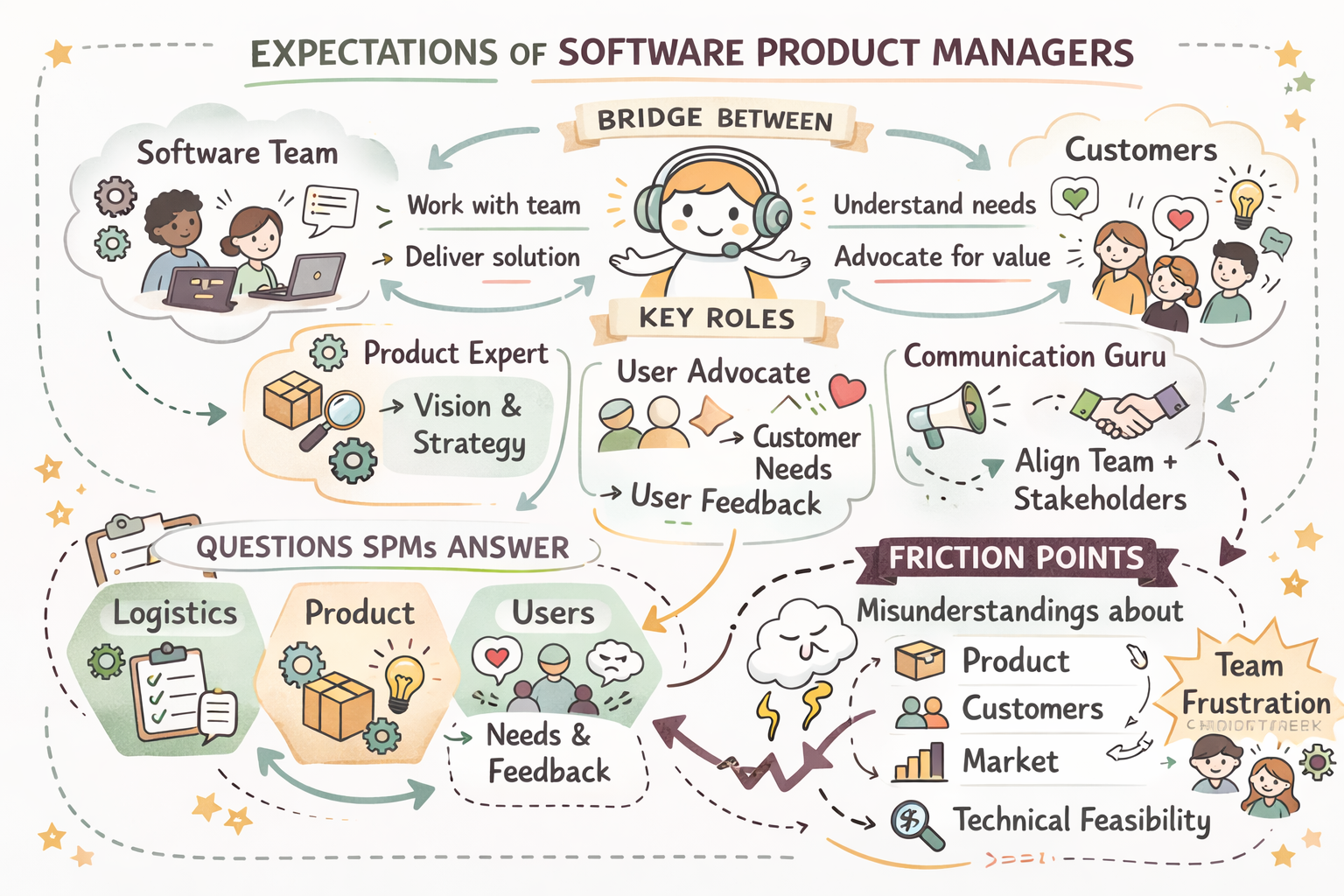
Expectations of Software Product Managers: An Empirical Evaluation of Software Professionals' Perspectives
TOSEM [Currently Under Review]
Hannah Estes, Satwika Kancharla, Kathryn T. Stolee.
[pdf]
Abstract: The role of the software product manager is often ambiguous and potentially contentious, with tensions often arising between the software product manager and the software team. The goal of this work is to uncover software product manager role expectations from three perspectives: their own, that of the software team, and that of the software companies. We deployed a survey targeting software professionals (n=80, 22 companies) to uncover software product manager role expectations and the typical questions they answer, providing direct and indirect lenses into software product manager activities. Through qualitative analysis, we discovered that software product managers must be product experts, user advocates, and communication gurus. From the companies’ perspective, we analyzed 37 job descriptions to generalize our findings. We also identify that communication and competency issues lead to frequent team frustration. Our findings provide clarity on the software product manager role directly through employees’ and employers’ perspectives, indirectly from the questions they should answer, and through eight friction points when working with a software team. We synthesize these results across the software development lifecycle in the SENSE framework, providing a comprehensive view of software product manager role expectations and points of friction with software teams. ... See More
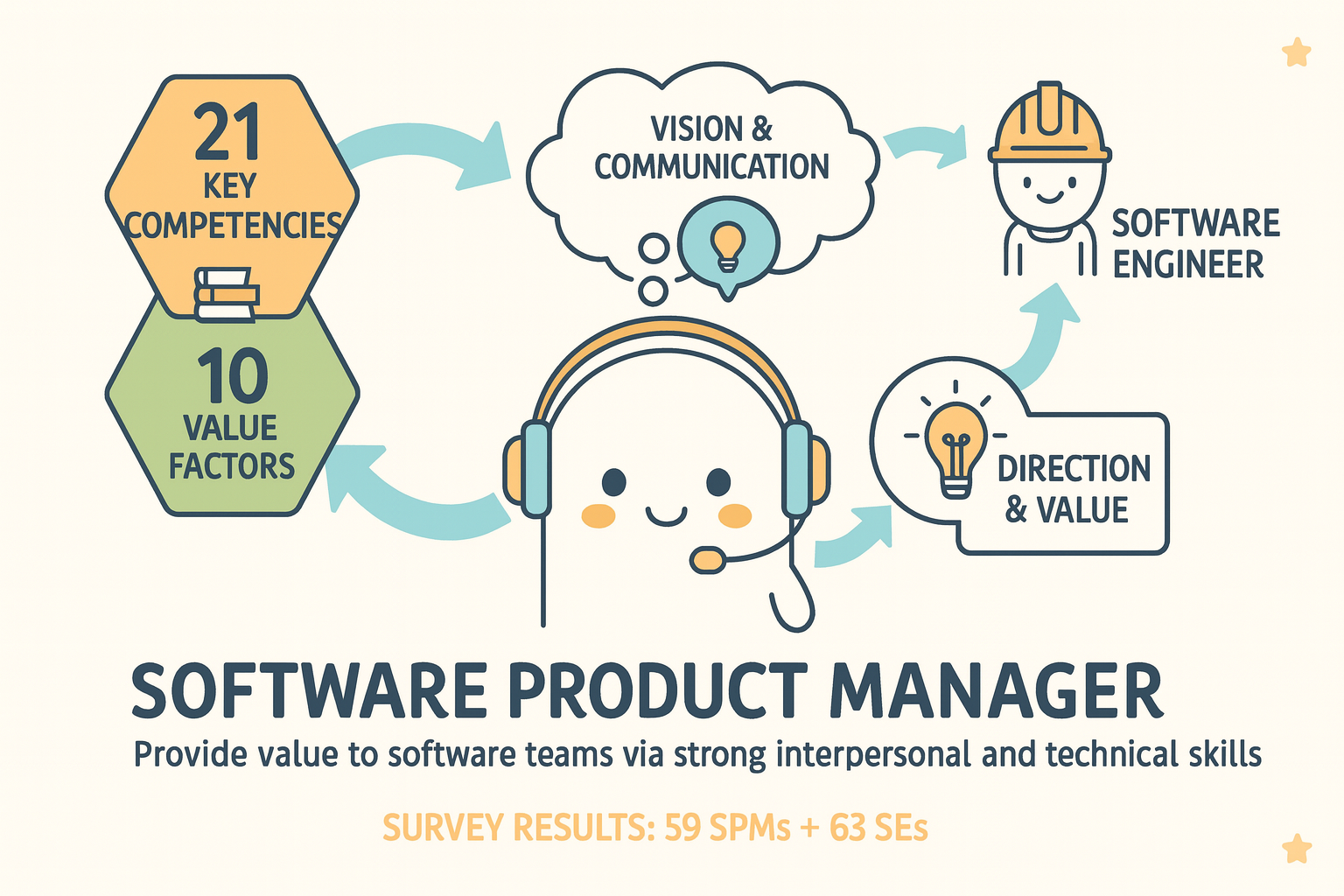
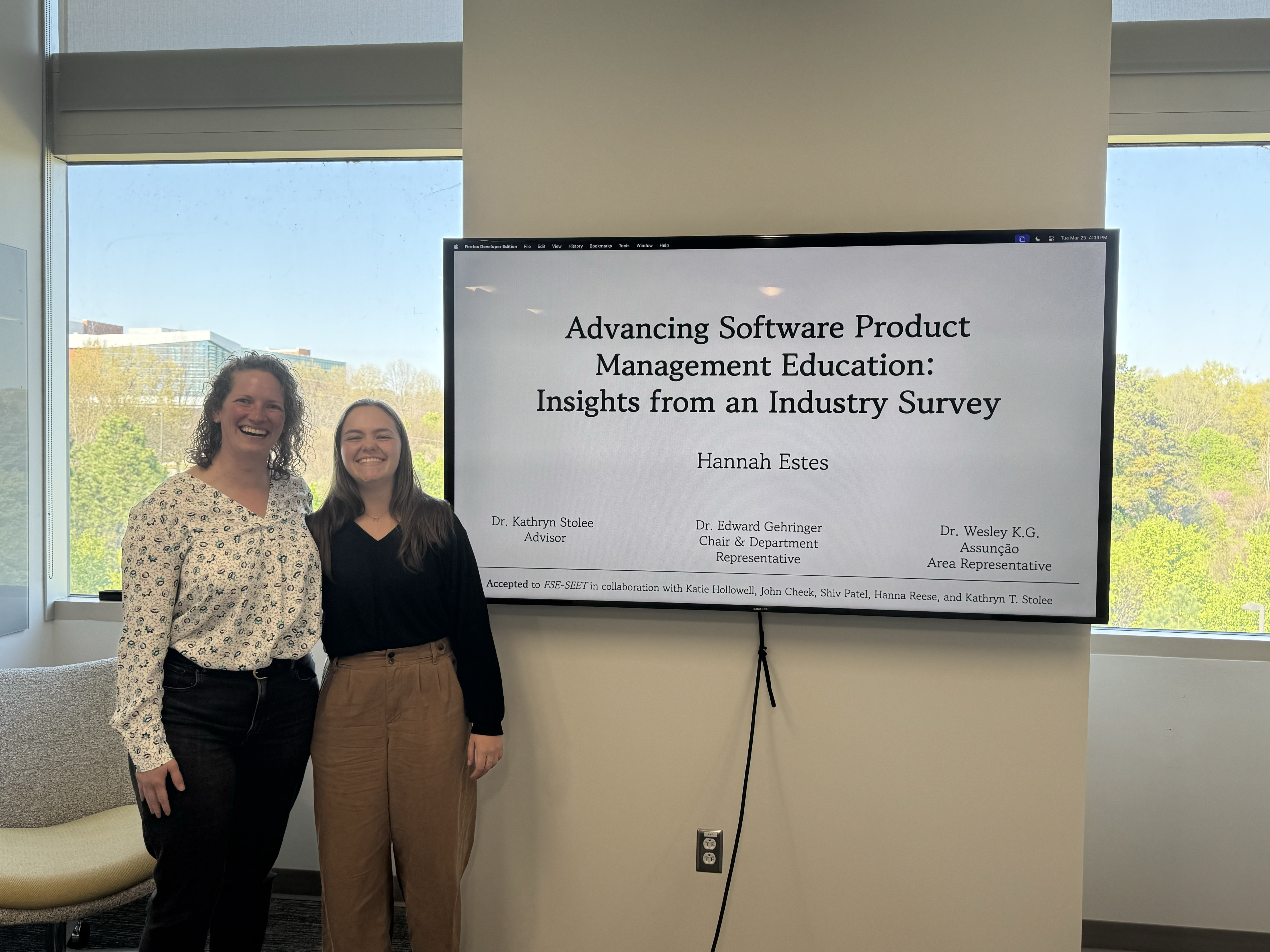
Advancing Software Product Management Education: Insights from an Industry Survey
FSE-SEET (Trondheim, Norway)
Hannah Estes, Katie Hollowell, John Cheek, and Shiv Patel, Hanna Reese, Kathryn T. Stolee.
[pdf] | [slides] | [doi]
Abstract: Software product managers have become critical to a software product’s success. They act as a liaison among various stakeholders - software engineers, management, and customers - to ensure a product meets customer needs. Despite the role’s rise in popularity, research and related educational materials are just emerging. In this paper, we aim to understand the educational needs of software product managers, and why embedding them in a software team is valuable. To do this, we collected survey responses from 59 software product managers and 63 software engineers, with responses from at least 24 companies, to identify the topics, skills, and abilities that software product managers find important for the role and the value they provide to software teams. Our results reveal that a software product manager’s value stems from their ability to provide the team with direction and a plan, give context for decision-making, and effectively communicate across stakeholders. To support this, someone new to the role must have competencies in technical and non-technical areas. A software product manager must excel at interpersonal communication, understanding the technical atmosphere, and deriving product sense from a vision and strategy. This paper provides the groundwork for future software product management curricula by identifying 21 key competencies and 10 factors to describe the role’s value in software teams. ... See More


resources & random thoughts

coming soon! a short collection of blog-style entries. click any card to read the full post.


‎